Fiber Optic Installation vs. Traditional Internet Services: Debunking the Myths
FA
In the rapidly evolving world of internet connectivity, the debate between fiber optic installation and traditional internet services is more relevant than ever. As technology advances, it's crucial to understand the differences and sift through common misconceptions. Let's explore the myths surrounding these two forms of internet service.
Understanding Fiber Optics
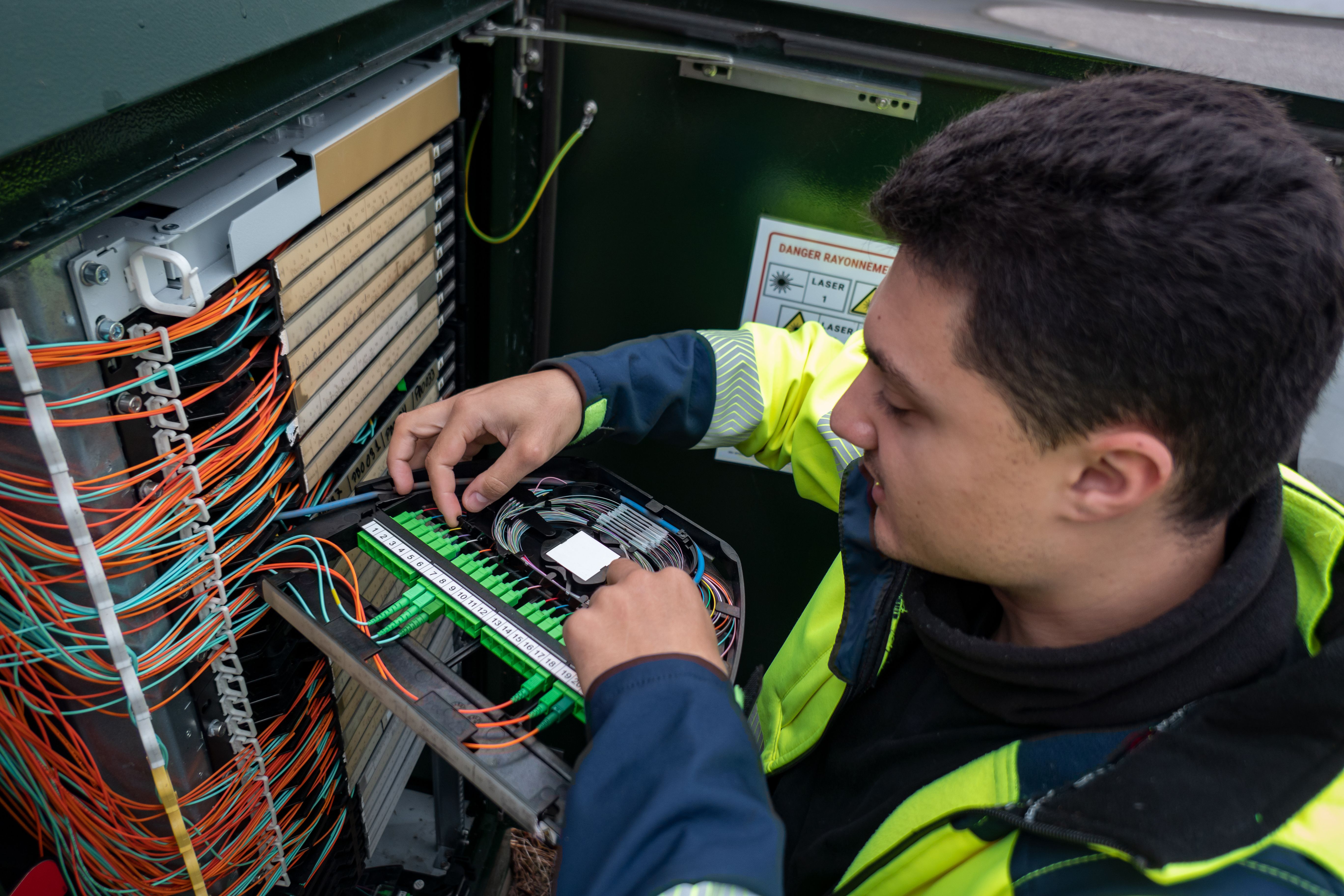
Fiber optic internet uses strands of glass fibers to transmit data as light signals. This technology offers high-speed internet and is known for providing consistent performance, regardless of distance. Unlike traditional internet services, fiber optics are less susceptible to interference and signal degradation.
Myth 1: Fiber Optic is Too Expensive
One common myth is that fiber optic installation is prohibitively expensive. While initial setup costs can be higher than traditional services, the long-term benefits often outweigh the initial investment. Many service providers also offer competitive pricing plans that make fiber optics accessible to a broader audience.

The Reality of Traditional Internet Services
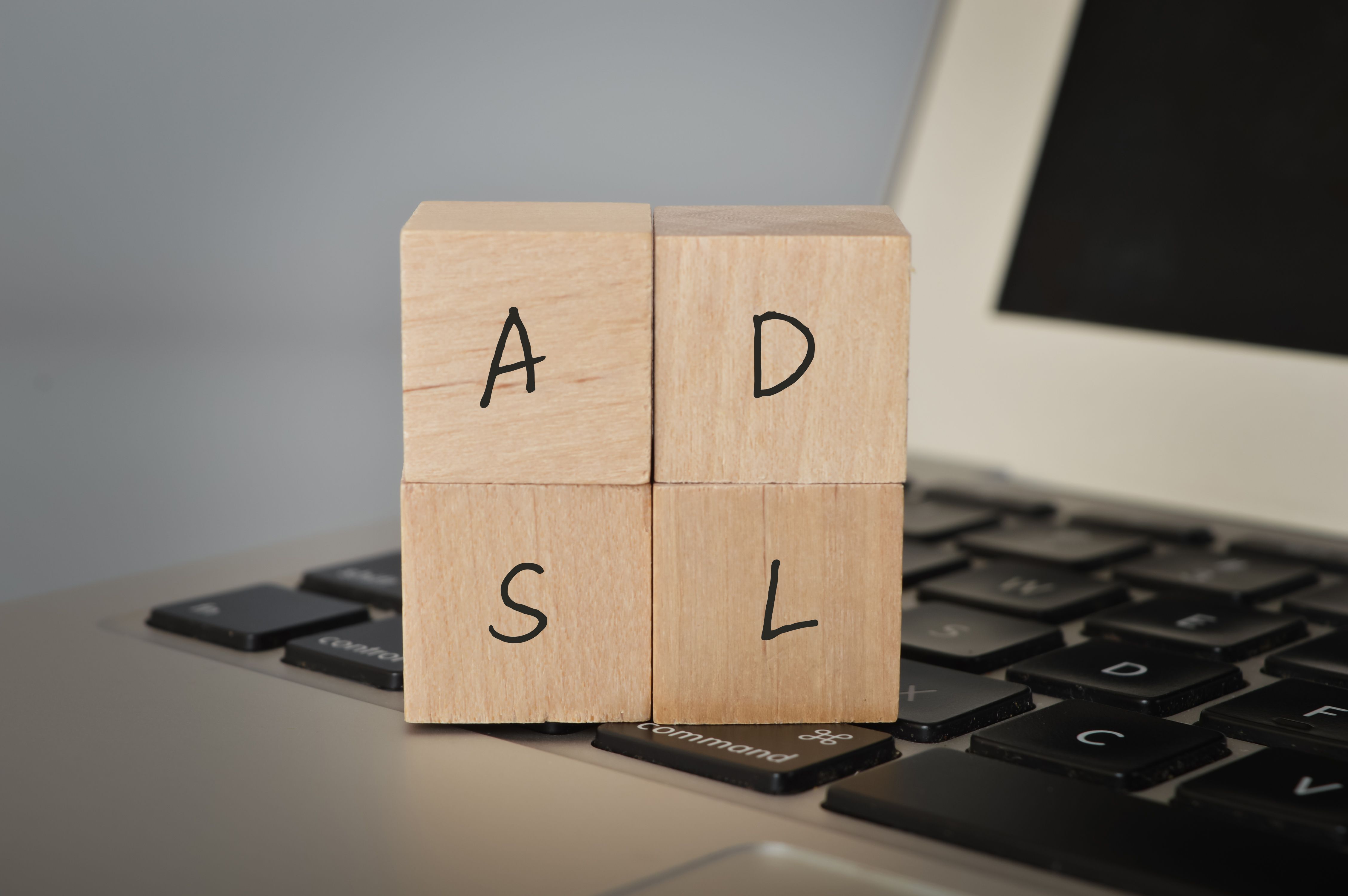
Traditional internet services, such as DSL and cable, use copper wires or coaxial cables. These methods have been reliable for decades, but they come with limitations. Issues such as slower speeds and susceptibility to weather conditions can affect performance.
Myth 2: Traditional Services Are More Reliable
It's often believed that traditional internet services are more reliable due to their long-standing presence in the market. However, fiber optics provide a more stable connection, with fewer disruptions caused by external factors.
Speed and Performance
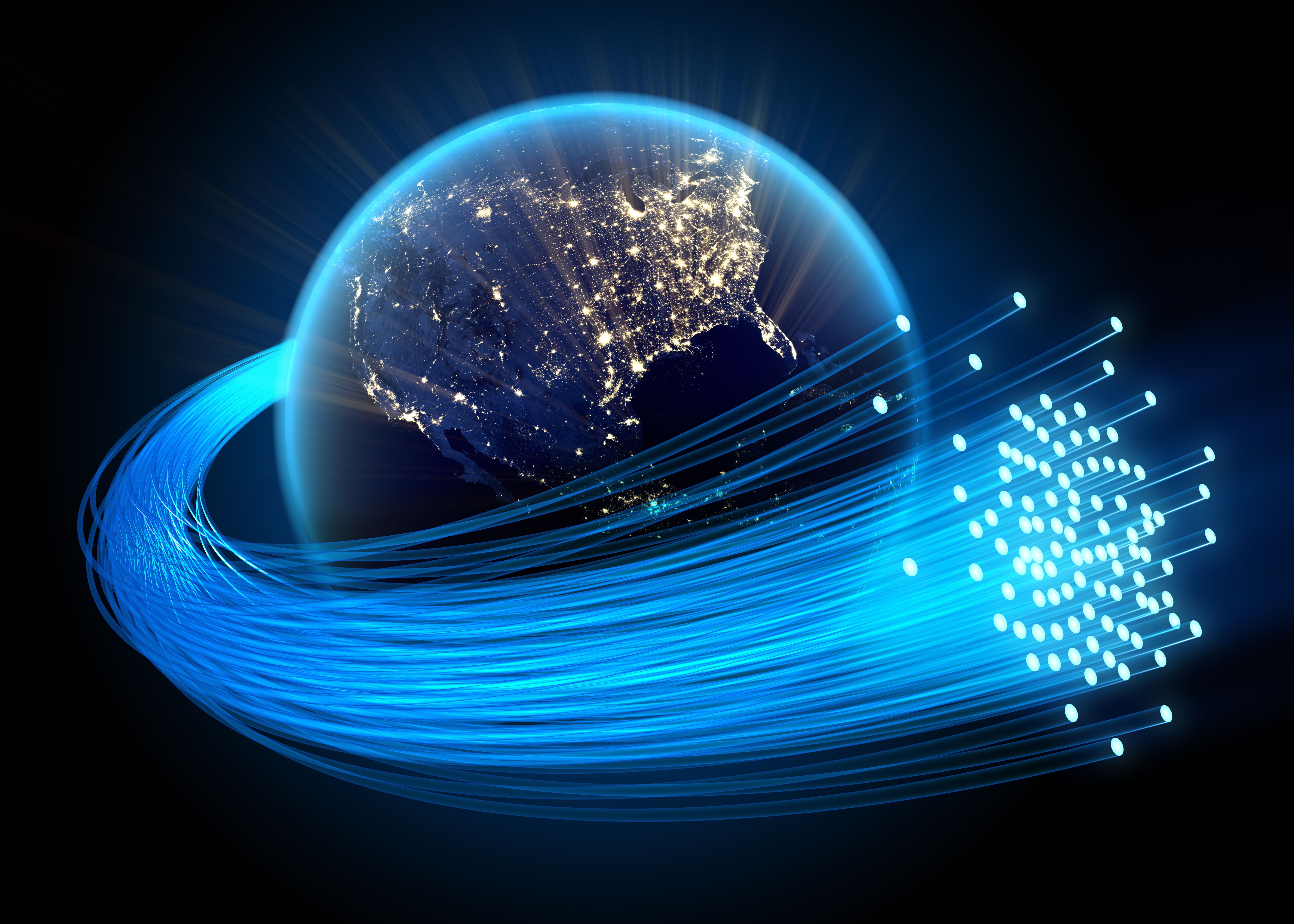
When it comes to speed, fiber optics clearly outshine traditional services. Fiber optic technology can support much higher bandwidth, making it ideal for activities that demand high-speed internet, such as streaming, gaming, and remote work.
Myth 3: Fiber Optic Speed is Unnecessary
Some argue that the high speeds offered by fiber optic internet are unnecessary. However, as digital consumption grows, having the capacity to handle multiple devices and data-heavy applications becomes increasingly important.
Environmental Impact
Fiber optic cables are more environmentally friendly compared to copper cables. The materials used in fiber optics are less harmful and the technology itself requires less energy to operate.
Myth 4: Switching to Fiber is Complicated
Many believe that switching to fiber optic internet is a cumbersome process. In reality, installation is becoming more streamlined, and many providers offer support to make the transition as smooth as possible.
In conclusion, while both fiber optic and traditional internet services have their merits, understanding the myths and realities can help consumers make informed decisions. As we move towards a more connected future, fiber optics represent a significant leap forward in internet technology.